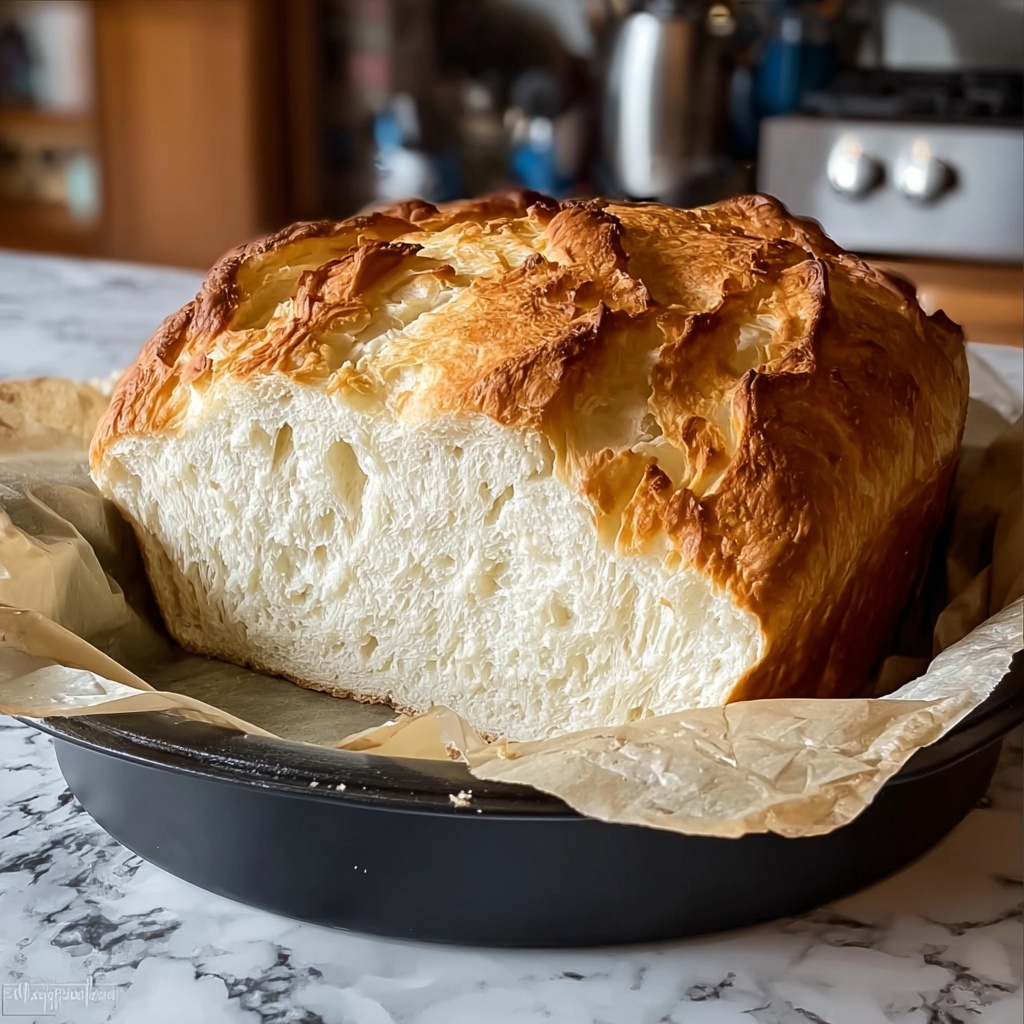
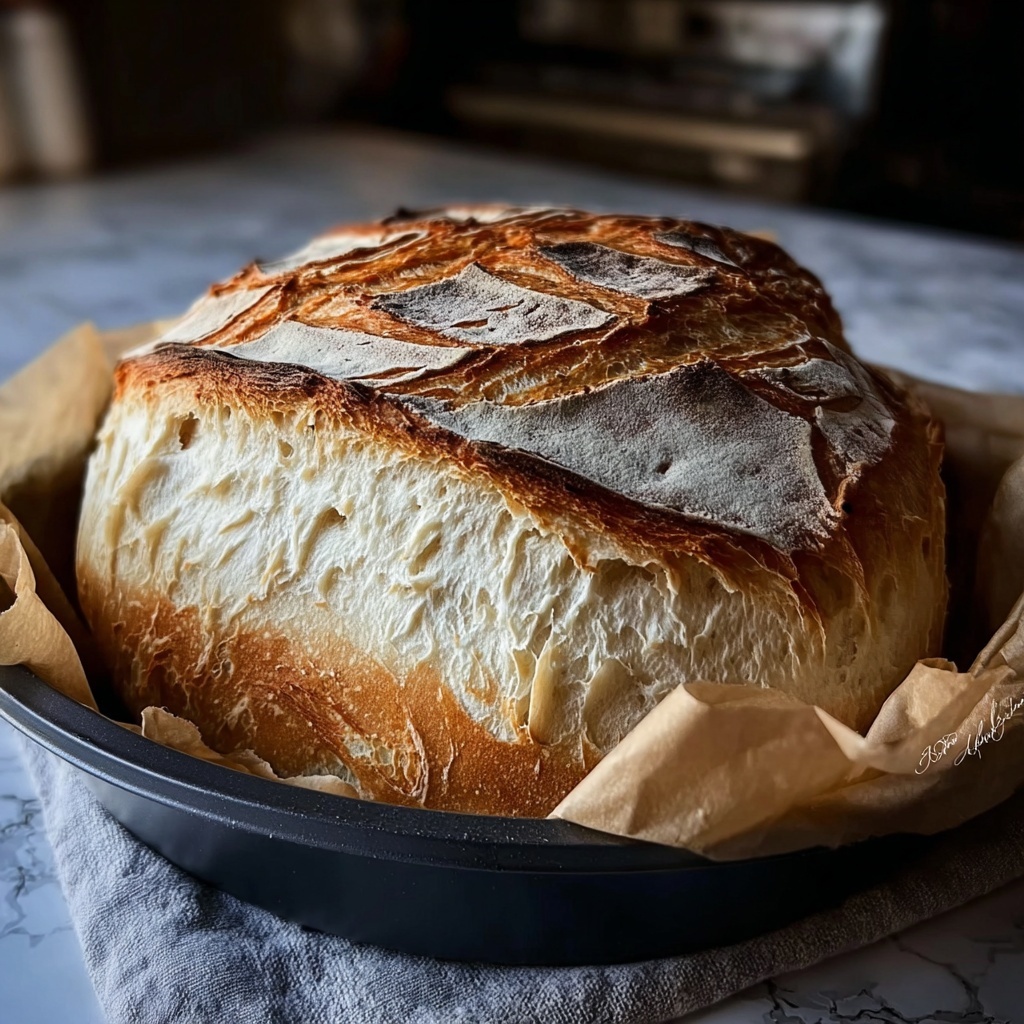
If you have ever dreamed of biting into a slice of fresh, warm, and fluffy bread right from your own kitchen, then this Easy Homemade White Bread Recipe is about to become your new best friend. It takes just a handful of simple ingredients and a bit of patience to transform ordinary staples like flour, yeast, and water into a loaf that has that golden crust and tender crumb you only find in the best bakeries. Whether you are a baking newbie or someone who loves the satisfaction of making bread from scratch, this recipe delivers comfort, flavor, and pure homemade goodness every single time.
Ingredients You’ll Need
These ingredients are straightforward but key to achieving that perfect balance of softness, flavor, and structure in your bread. Each one plays a vital role in creating that irresistible texture and subtle sweetness that makes homemade white bread so special.
- 1 cup warm water: Acts as the perfect environment to activate the yeast and hydrate the dough for softness.
- 1 package active dry yeast: The little powerhouse that makes your bread rise and become airy and light.
- 1/4 cup granulated sugar: Feeds the yeast and adds a touch of sweetness to enhance the flavor.
- 1 teaspoon salt: Balances the sweetness and strengthens the gluten for good structure.
- 3 cups all-purpose flour: The main ingredient that forms the dough, providing the backbone for the bread’s tender crumb.
How to Make Easy Homemade White Bread Recipe
Step 1: Activate the Yeast
Start by combining warm water, yeast, and sugar in a mixing bowl. The warmth wakes the yeast from its dormant state, and the sugar acts as fuel, helping it bubble and foam within about 10 minutes. This frothy stage is your first sign that the magic is happening!
Step 2: Combine Dry Ingredients Gradually
Once your yeast mixture is ready, slowly add the salt and flour one cup at a time. This gradual incorporation helps you gauge the dough’s consistency and prevents it from becoming too sticky or dry, creating just the right texture to work with.
Step 3: Knead the Dough
Turn your dough out onto a lightly floured surface and knead for 6 to 8 minutes until it becomes smooth and elastic. This kneading process develops the gluten network, which is what gives your bread that delightful chew and airy rise.
Step 4: First Rise
Place the dough in a greased bowl, cover it, and leave it in a warm spot for about an hour until it doubles in size. This rest allows the yeast to work its magic, filling the dough with air bubbles that make the bread fluffy.
Step 5: Shape the Loaf
Punch down the risen dough to release excess air, then gently shape it into a loaf. Pop it into a greased loaf pan to prepare for the final rise. Proper shaping ensures even baking and a beautiful loaf form.
Step 6: Second Rise
Cover the shaped dough and let it rise again for 30 to 45 minutes until it puffs up to double its original size. This second proofing improves the bread’s texture and volume, gearing it up for a perfect bake.
Step 7: Bake to Golden Perfection
Preheat your oven to 350°F (175°C) and bake the bread for 30 to 35 minutes. You’ll know it’s ready when the crust turns a gorgeous golden brown and the loaf sounds hollow when gently tapped on the bottom—pure satisfaction!
Step 8: Cool Before Slicing
Allow your bread to cool completely on a wire rack before slicing. Patience here is key because cooling finishes the bread’s cooking process and prevents it from turning gummy when cut.
How to Serve Easy Homemade White Bread Recipe
Garnishes
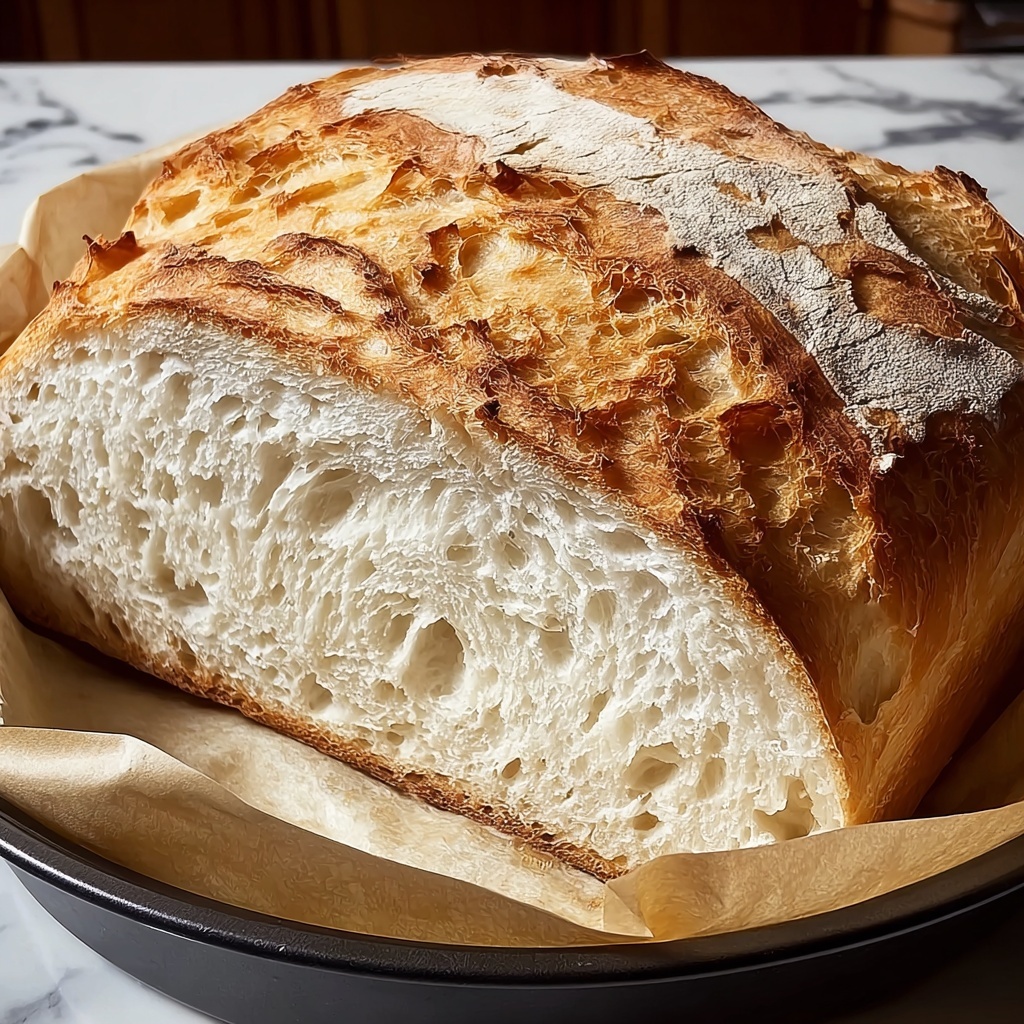
A sprinkle of sesame or poppy seeds on top before baking adds a subtle crunch and a lovely visual appeal. You can also brush the crust with melted butter right out of the oven for an irresistible shine and extra softness.
Side Dishes
Freshly baked white bread is a champion side for soups, stews, and hearty salads. The soft texture is perfect for mopping up flavorful sauces, making every bite more enjoyable and comforting.
Creative Ways to Present
Turn your loaf into delightful sandwiches with layers of fresh veggies, savory spreads, or your favorite deli meat. Or even toast it lightly and serve with creamy avocado or rich nut butter for a simple but luxurious bite.
Make Ahead and Storage
Storing Leftovers
Wrap your leftover bread tightly in plastic wrap or store it in an airtight container at room temperature. This keeps it soft and fresh for about 2 to 3 days, perfect for enjoying later without waste.
Freezing
If you want to enjoy your bread later, slice it first and freeze in resealable bags. This way, you can easily pull out just as many slices as you need without thawing the whole loaf.
Reheating
To refresh frozen or leftover bread, simply toast or warm it in the oven at a low temperature for a few minutes. This brings back that freshly baked aroma and restores the crust’s delightful crispness.
FAQs
Can I use instant yeast instead of active dry yeast?
Absolutely! Instant yeast can be used, but you can add it directly to the flour without proofing in warm water. Just reduce the rising time slightly as instant yeast works faster.
What if my dough is too sticky to knead?
If the dough sticks excessively, sprinkle your surface and hands lightly with flour, but avoid adding too much as it can make the bread dense. The dough should remain tacky but manageable.
Why did my bread not rise enough?
Common reasons include water that was too hot or too cold, old yeast, or a drafty environment during rising. Using warm water around 100°F (38°C) and fresh yeast helps ensure a good rise in a warm spot.
Can I make this bread whole wheat?
You can substitute some or all of the all-purpose flour with whole wheat flour, but note it will produce a denser loaf. Adding a bit of extra water or vital wheat gluten can improve texture.
How long will the bread stay fresh?
When stored properly at room temperature, this homemade bread stays fresh for about 2 to 3 days. For longer storage, freezing is the best option to maintain flavor and texture.
Final Thoughts
This Easy Homemade White Bread Recipe proves that making bread from scratch can be both simple and rewarding. With just a few basic ingredients and some love, you can fill your kitchen with the warm aroma of fresh bread and enjoy the comforting taste that only homemade can bring. So go ahead, roll up your sleeves, and treat yourself to your very own loaf of happiness today!
Print
Easy Homemade White Bread Recipe
- Prep Time: 1 hour 15 minutes
- Cook Time: 30 minutes
- Total Time: 2 hours 30 minutes
- Yield: 1 loaf (serves approximately 8 slices)
- Category: Bread
- Method: Baking
- Cuisine: American
Description
This easy homemade white bread recipe yields a soft, fluffy, and golden loaf made from simple ingredients. Perfect for sandwiches or toast, this classic bread combines active dry yeast, warm water, sugar, salt, and all-purpose flour, with a straightforward kneading and baking process to create delicious fresh bread at home.
Ingredients
Ingredients
- 1 cup warm water
- 1 package active dry yeast (about 2 1/4 teaspoons)
- 1/4 cup granulated sugar
- 1 teaspoon salt
- 3 cups all-purpose flour
Instructions
- Activate yeast: In a mixing bowl, combine warm water, yeast, and sugar. Let sit for 10 minutes until the mixture becomes frothy, indicating the yeast is active.
- Mix dough: Gradually add salt and flour, one cup at a time, mixing thoroughly after each addition until a dough begins to form.
- Knead dough: Transfer the dough onto a lightly floured surface and knead for 6 to 8 minutes until it becomes smooth and elastic.
- First rise: Place the kneaded dough in a greased bowl, cover it, and let it rise in a warm spot for 1 hour or until it doubles in size.
- Shape dough: Punch down the risen dough to release air, shape it into a loaf, and place it in a greased loaf pan.
- Second rise: Cover the dough again and let it rise for another 30 to 45 minutes until it has doubled in size.
- Preheat oven: Preheat your oven to 350°F (175°C) to prepare for baking.
- Bake bread: Bake the loaf for 30 to 35 minutes until the crust is golden brown and the loaf sounds hollow when tapped.
- Cool and serve: Remove the bread from the oven and let it cool completely before slicing to ensure the best texture.
Notes
- Make sure the water is warm, not hot, to avoid killing the yeast.
- Kneading time is crucial for gluten development and a good texture.
- You can add a bit of melted butter or oil to the dough for a softer crust, if desired.
- For a crispier crust, bake the bread on a baking stone or place a pan of water in the oven to create steam.
- Store bread in an airtight container at room temperature for up to 3 days or freeze for longer storage.