Description
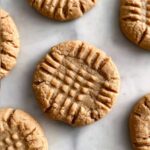
These Gluten Free Peanut Butter Cookies are a delicious, chewy treat made with a unique blend of gluten-free flours and browned butter to enhance their nutty flavor. Perfectly soft and flavorful, they offer an ideal balance of sweetness and texture, suitable for those avoiding gluten without compromising on taste.
Ingredients
Scale
Main Ingredients
- 1½ cups smooth no-stir peanut butter
- 4 tablespoons unsalted butter
- ⅓ cup granulated sugar
- ⅔ cup light brown sugar, packed
- 2 large eggs, room temperature
- 1 teaspoon pure vanilla extract
Dry Ingredients
- 1¼ cups gluten-free all-purpose flour with xanthan gum
- ¼ cup blanched almond flour
- 2 tablespoons tapioca starch
- ½ teaspoon baking soda
- ¼ teaspoon baking powder
- ½ teaspoon kosher salt
For Finishing
- 2 tablespoons granulated sugar (for rolling)
- Flaky sea salt (for sprinkling, if desired)
Instructions
- Brown the butter: Melt the unsalted butter in a small saucepan over medium heat. Continue cooking, swirling occasionally, until the butter turns golden brown and releases a nutty aroma, about 3-5 minutes. Be vigilant to avoid burning the butter.
- Combine peanut butter and butter: Remove from heat and stir in the smooth no-stir peanut butter until thoroughly combined. Allow this mixture to cool for 5 to 10 minutes so it is fluid but not hot enough to cook the eggs.
- Mix dry ingredients: In a separate bowl, whisk together gluten-free all-purpose flour, blanched almond flour, tapioca starch, baking soda, baking powder, and kosher salt. This blend reduces grittiness and improves moisture and binding.
- Cream sugars and eggs: In a large bowl, combine the browned butter and peanut butter mixture with the granulated and brown sugars. Beat with an electric mixer on medium speed until light and fluffy, about 2 minutes. Add eggs one at a time, mixing well after each addition, then add vanilla extract and mix until smooth.
- Add dry ingredients: Incorporate the dry flour mixture into the wet mixture in two batches, mixing on low speed just until combined to avoid tough cookies.
- Chill the dough: Cover the dough with plastic wrap and refrigerate for at least 30 minutes or up to 24 hours. Let refrigerated dough sit at room temperature for 10-15 minutes before shaping if chilled longer than one hour.
- Preheat oven and prepare dough balls: Preheat oven to 325°F. Line baking sheets with parchment paper or silicone mats. Place 2 tablespoons of granulated sugar in a small bowl. Using a 1½-tablespoon cookie scoop, form dough into balls and roll them in sugar to coat.
- Shape the cookies: Place dough balls about 2 inches apart on baking sheets. For traditional cookies, gently press each ball with a fork in a crisscross pattern; for chewier cookies with crackly tops, flatten each ball slightly with your palm. Optionally, sprinkle flaky sea salt on top.
- Bake the cookies: Bake for 10-12 minutes for chewy cookies or 14-15 minutes for crisper cookies. Edges should be lightly golden, centers slightly underdone.
- Cool the cookies: Allow cookies to cool on the baking sheet for 10 minutes before transferring to a wire rack to cool completely. This resting step prevents breakage.
Notes
- Browned butter enhances the nutty flavor of the peanut butter, making the cookies richer and more aromatic.
- Room temperature eggs ensure even mixing and better incorporation into the batter.
- The combination of gluten-free all-purpose flour, almond flour, and tapioca starch improves texture and moisture, avoiding grittiness often found in gluten-free baking.
- Chilling the dough is essential to prevent excessive spreading and achieve thicker cookies.
- Use a fork to create the classic crisscross pattern or palm flatten for a chewier texture with a crackly top.
- Flaky sea salt topping is optional but adds a pleasant contrast to the sweetness.
- Do not overmix the dough once the dry ingredients are added to avoid tough cookies.
- Let cookies cool on the baking sheet before moving to avoid breakage due to their fragility when warm.