“`html
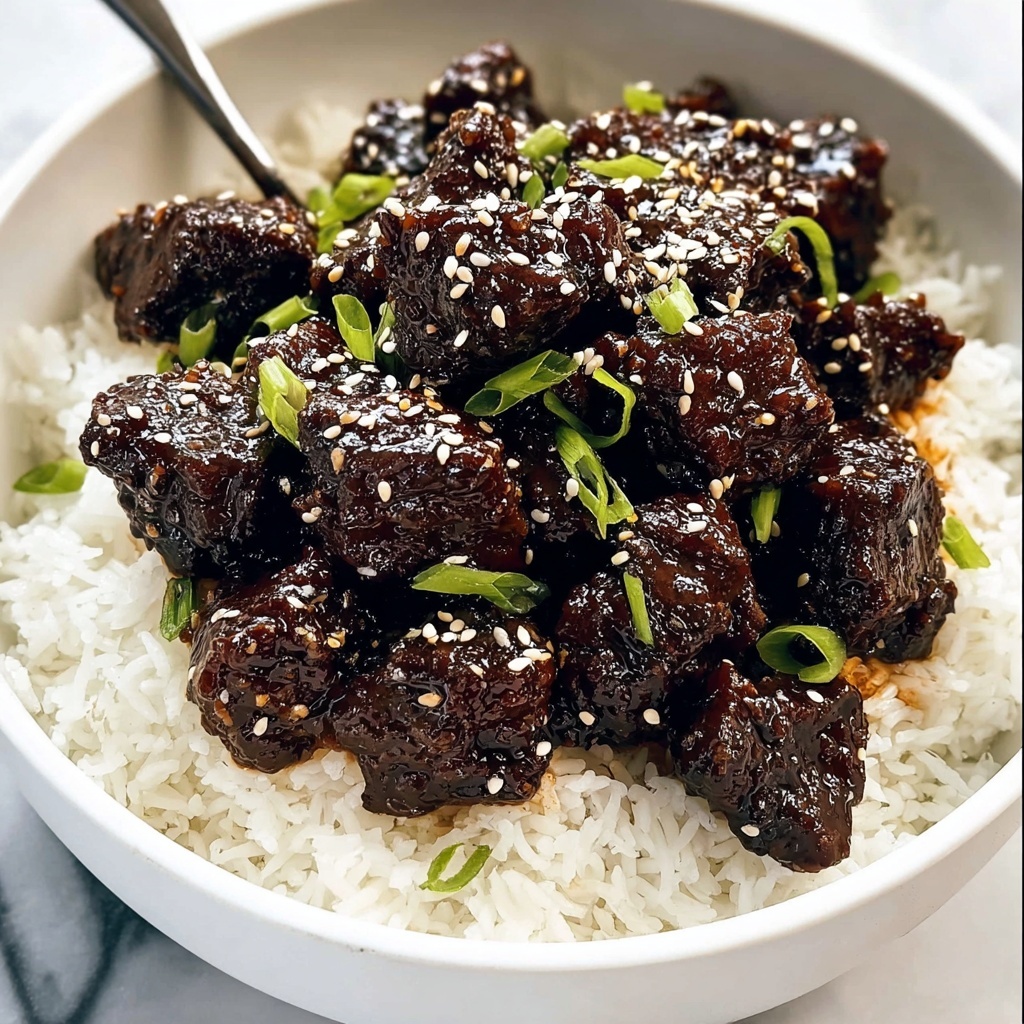
If you have ever craved a dish that perfectly balances sweet and savory flavors with tender, crispy beef, this Mongolian Beef Recipe is an absolute must-try. It’s one of those crowd-pleasers that feels fancy but comes together with surprisingly simple ingredients and techniques. The thick, glossy sauce clings to the perfectly coated strips of flank steak, creating a flavor explosion that hits all the right notes every time. Whether you’re cooking for company or just craving some comforting takeout-style goodness at home, this recipe delivers a satisfying meal that’s as delicious as it is memorable.
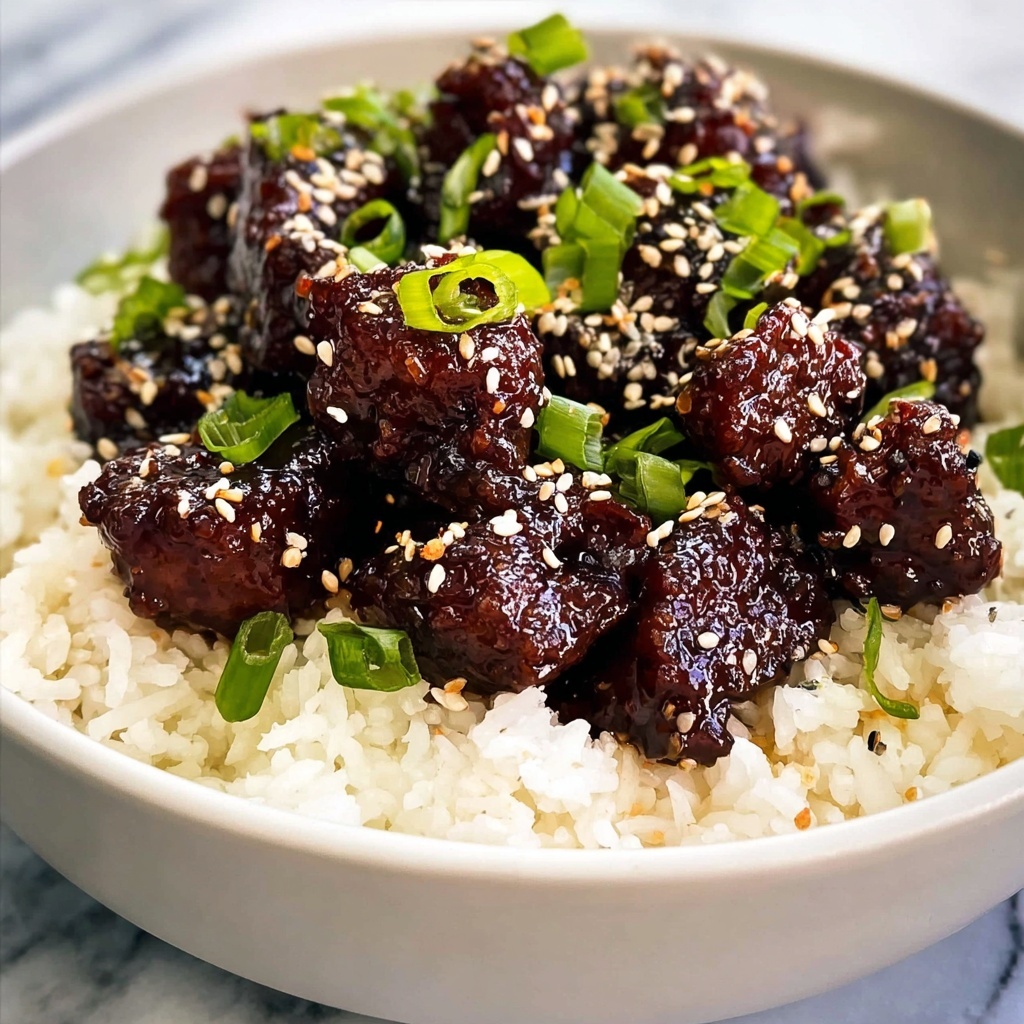
Ingredients You’ll Need
Every ingredient here is simple but essential, each playing a vital role in creating the classic taste, texture, and look of this Mongolian Beef Recipe. From the tender flank steak and crispy coating to the rich and sticky sauce, you’ll see how they all come together like magic.
- Flank steak: Thinly sliced against the grain to ensure tenderness and quick cooking.
- Cornstarch: Coats the beef to create a wonderfully crispy exterior once fried.
- Vegetable oil: Used both for frying and in the sauce to add smoothness and richness.
- Low-sodium soy sauce: The salty backbone of the sauce, balancing other flavors perfectly.
- Brown sugar: Adds deep sweetness and helps achieve that classic glossy finish.
- Garlic: Freshly minced for that punch of aromatic warmth and complexity.
- Water: Helps to thin and reduce the sauce just right.
- Green onions: Bright and fresh garnish that adds color and subtle sharpness.
- Sesame seeds: Optional but highly recommended for a nutty crunch and visual appeal.
How to Make Mongolian Beef Recipe
Step 1: Prepare the Beef
Begin by slicing your flank steak into thin strips, always cutting against the grain—this little trick keeps your beef tender and easy to chew. Toss these strips into a large zip-top bag filled with cornstarch and give it a good shake to coat them evenly. This creates the crisp, irresistible outer layer you’re aiming for. Pop the coated beef into the fridge to chill while you prepare the sauce; this resting time helps the coating set perfectly.
Step 2: Make the Sauce
The heart of the Mongolian Beef Recipe lies in its rich and luscious sauce. Combine vegetable oil, soy sauce, brown sugar, garlic, and water in a saucepan and let it gently bubble over medium heat. Stir occasionally as it thickens and reduces by about half, which usually takes 15 to 20 minutes. Keep an eye on it—once it’s glossy and syrupy, it’s ready to take your beef to the next level.
Step 3: Fry the Beef
Heat a couple of tablespoons of vegetable oil in a large skillet or wok over medium-high heat. Fry the coated beef strips in batches—you don’t want to overcrowd the pan, or they won’t get that perfect crispness. Cook each batch until the beef is beautifully browned and irresistibly crispy, then transfer to paper towels to drain any excess oil. This step adds texture contrast that makes every bite exciting.
Step 4: Combine and Finish
Once all your beef is fried, pour out the excess oil from your skillet and return the crispy strips back in. Pour your thickened sauce over the beef and toss gently to coat every piece in that sticky, flavorful glaze. Give it about two minutes to warm through and let the flavors meld, ensuring each bite is packed with that signature Mongolian Beef Recipe flavor.
Step 5: Garnish and Serve
Finish off by sprinkling chopped green onions and sesame seeds over the top for extra freshness and a layer of nutty crunch. Serve your Mongolian beef piping hot over steamed rice for a complete meal that’s sure to become a family favorite or a go-to for dinner guests.
How to Serve Mongolian Beef Recipe
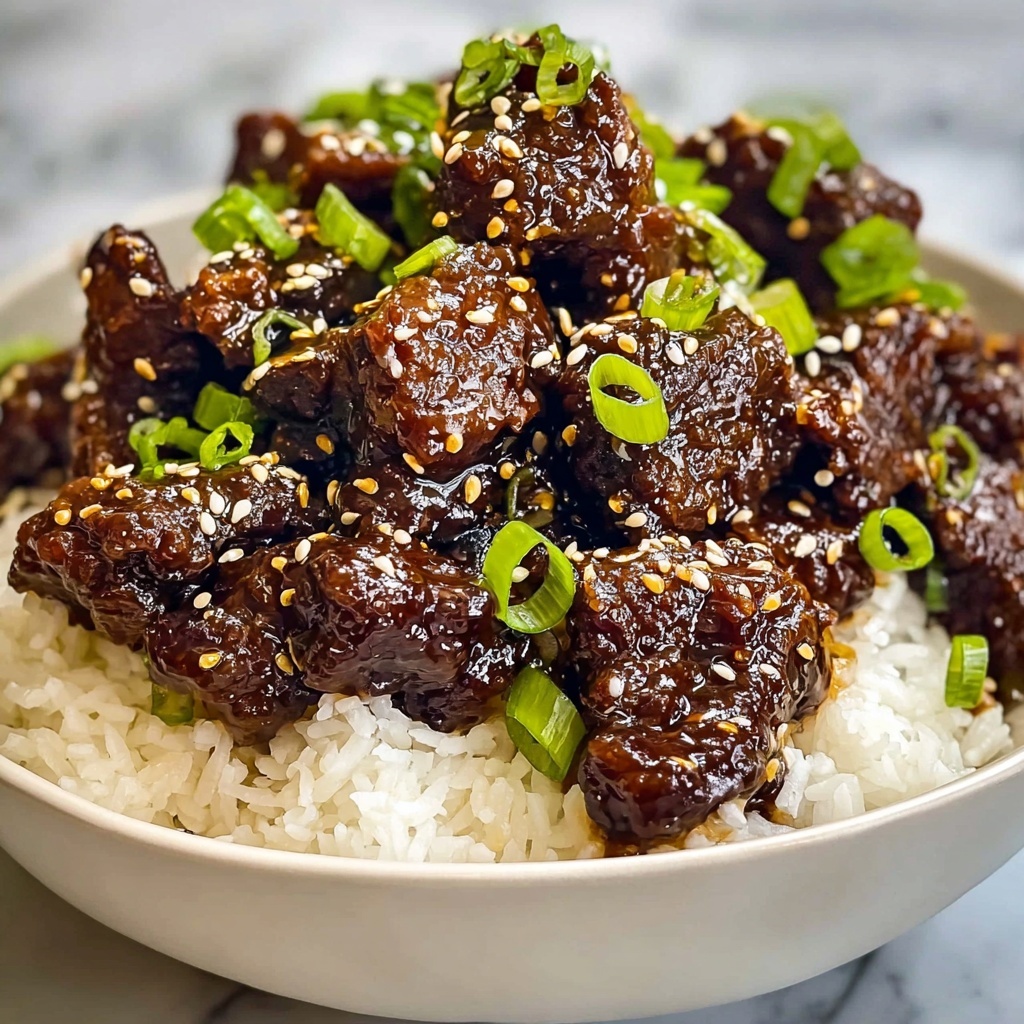
Garnishes
Garnishes in this recipe aren’t just for looks—they add fresh, vibrant bursts of flavor and texture. The chopped green onions bring a mild peppery sharpness that cuts through the richness, while toasted sesame seeds lend a gentle nuttiness. If you’re feeling adventurous, a sprinkle of red pepper flakes can add a pleasant kick.
Side Dishes
Mongolian Beef pairs beautifully with simple sides that let the main dish shine. Steamed white or jasmine rice is the classic choice, soaking up all that luscious sauce. For some color and crunch, a side of stir-fried broccoli, snap peas, or bok choy makes an excellent companion. Want to keep it light? A crisp Asian-style cucumber salad offers refreshing contrast.
Creative Ways to Present
For a fun twist, serve your Mongolian beef over fried rice or even atop a bed of noodles for a hearty variation. In a casual setting, lettuce wraps with this beef inside make for a hands-on, interactive meal everyone will enjoy. You could also plate it family-style by piling the beef in a large bowl surrounded by sides, inviting everyone to help themselves to a personalized meal.
Make Ahead and Storage
Storing Leftovers
If you’re lucky enough to have any leftovers, store them in an airtight container in the refrigerator. The Mongolian Beef Recipe keeps well for up to 3 days, making it perfect for quick lunches or second dinners. Just be sure to cool it completely before sealing to keep the beef tender and the sauce fresh.
Freezing
While this dish tastes best fresh, you can freeze leftovers if needed. Place cooled beef and sauce in a freezer-safe container or heavy-duty bag, and store for up to 2 months. Thaw overnight in the fridge before reheating to maintain the best texture.
Reheating
Reheat your Mongolian Beef gently in a skillet over medium heat, stirring occasionally until warmed through. This method helps retain the crispiness of the beef and the integrity of the sauce more than the microwave, which can sometimes make it soggy. If you must use a microwave, reheat in short bursts, stirring in between.
FAQs
Can I use a different cut of beef for this Mongolian Beef Recipe?
Flank steak is ideal due to its thin, lean slices and tenderness, but you can substitute skirt steak or sirloin if you prefer. Just remember to slice thinly against the grain for the best results.
Is this recipe spicy?
Nope, the classic Mongolian Beef Recipe isn’t spicy by default. However, you can easily add some crushed red pepper flakes or a dash of hot sauce to the sauce if you crave a little heat.
Can I make this dish gluten-free?
Yes! Just swap the regular soy sauce for a gluten-free tamari or coconut aminos. Also, double-check that your cornstarch and other ingredients are gluten-free to be safe.
What can I substitute for brown sugar?
If you don’t have brown sugar on hand, you can use white sugar with a little molasses, or even honey for a slightly different but still delicious sweetness.
Can I prepare parts of this ahead of time?
Definitely. You can slice and coat the beef the day before and refrigerate it. The sauce sauce can also be made in advance and reheated when you’re ready to cook the beef. This helps reduce your cooking time on busy days.
Final Thoughts
There’s something incredibly satisfying about making restaurant-quality Mongolian Beef at home, especially with this fail-proof Mongolian Beef Recipe. Its perfect harmony of textures and flavors never gets old, and it’s a fantastic way to bring a little extra joy to your dinner table. Give it a try soon—you might just find your new favorite weeknight meal.
“`
Print
Mongolian Beef Recipe
- Prep Time: 10 minutes
- Cook Time: 30 minutes
- Total Time: 40 minutes
- Yield: 8 servings
- Category: Main Course
- Method: Frying
- Cuisine: Chinese
Description
This Mongolian Beef recipe features tender strips of flank steak coated in crispy cornstarch and stir-fried to perfection before being glazed in a rich, sweet, and savory soy-based sauce. Quick to prepare and full of bold flavors, it makes an ideal main dish served over rice for a satisfying meal.
Ingredients
Beef
- 2 pounds flank steak, thinly sliced against the grain
- ½ cup cornstarch
- 2 tablespoons vegetable oil (for frying beef)
Sauce
- ½ cup vegetable oil
- 1 cup low-sodium soy sauce
- 1 cup packed brown sugar
- 4 cloves garlic, minced
- ½ cup water
Garnish
- 2 green onions, chopped
- Sesame seeds, as desired
Instructions
- Prepare Beef: Slice the flank steak thinly against the grain to ensure tenderness. Place the cornstarch into a large zip-top bag and add the beef strips. Seal the bag and shake to coat all the beef evenly with cornstarch. Refrigerate the coated beef until ready to cook.
- Make Sauce: In a medium saucepan, combine ½ cup vegetable oil, low-sodium soy sauce, brown sugar, minced garlic, and water. Cook over medium heat, stirring occasionally, and allow the sauce to simmer until it thickens and reduces by about half. This process should take approximately 15 to 20 minutes. Once thickened, set the sauce aside.
- Fry Beef: Heat the remaining 2 tablespoons of vegetable oil in a large skillet or wok over medium-high heat. Working in batches to avoid overcrowding, add the coated beef strips and fry, stirring occasionally, until the beef is browned and crispy on the outside. Remove the cooked beef and drain on paper towels to remove excess oil.
- Combine and Finish: Discard any excess oil from the skillet. Return the fried beef to the skillet and pour the prepared sauce over it. Toss the beef so it is evenly coated with the sauce. Cook together for an additional 2 minutes, allowing the beef to absorb the sauce and heat through.
- Garnish and Serve: Garnish the Mongolian beef with chopped green onions and a sprinkle of sesame seeds. Serve immediately over steamed rice for a complete and flavorful meal.
Notes
- Be sure to slice the flank steak against the grain for maximum tenderness.
- Do not overcrowd the pan when frying the beef; cook in batches for best results and even crispiness.
- You can adjust the sweetness of the sauce by modifying the amount of brown sugar.
- Serve the dish fresh and hot for the best flavor and texture.
- For a gluten-free version, substitute soy sauce with tamari or a gluten-free soy sauce alternative.