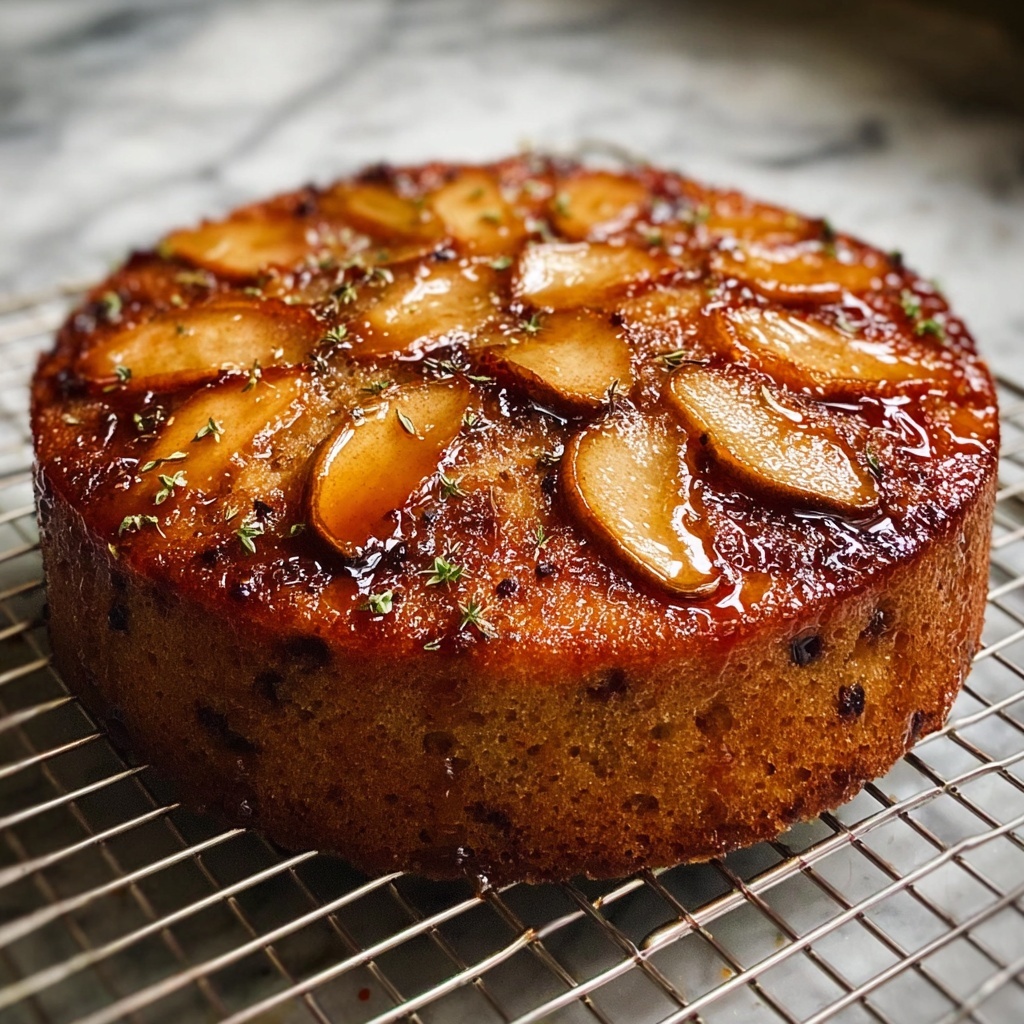
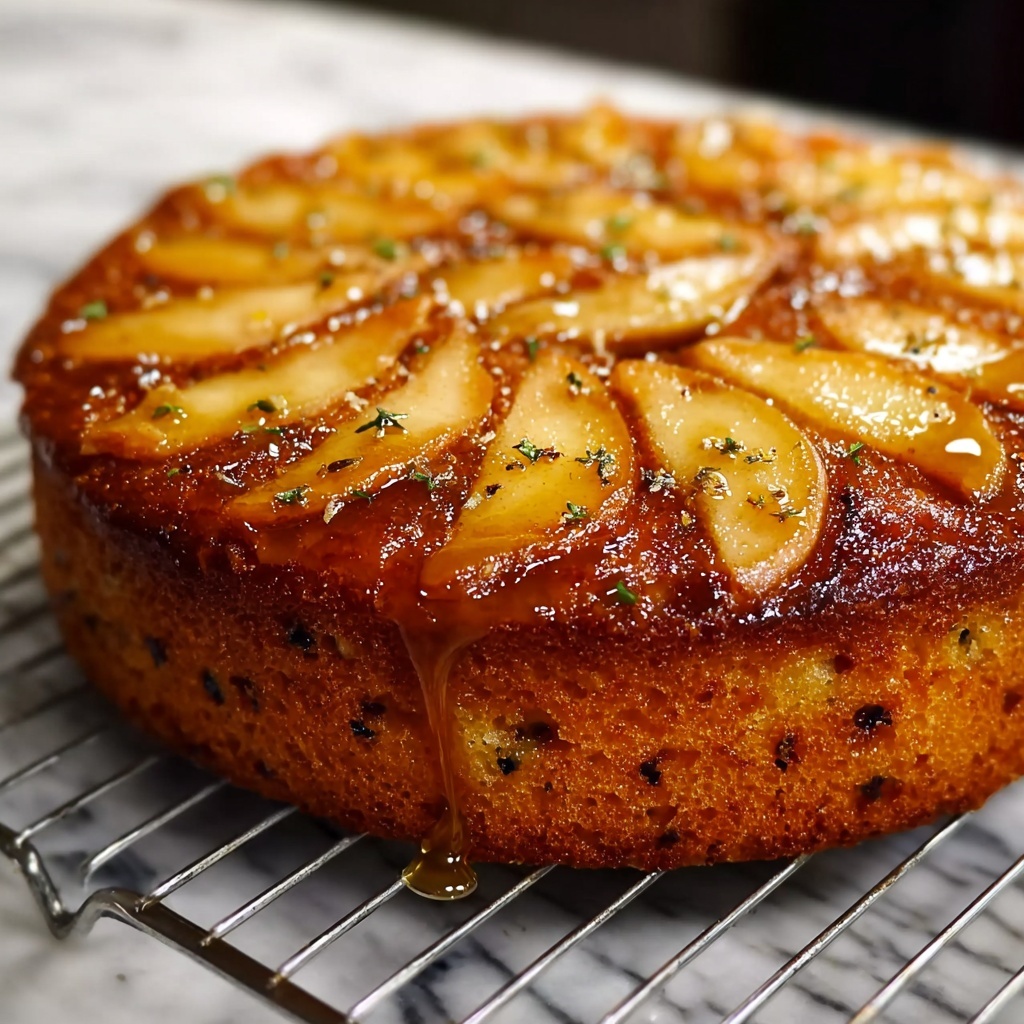
If you’re looking for a cozy, unforgettable dessert, this Roasted Apple Sage Cake Recipe is exactly what you need to brighten your day and warm your kitchen with rich, comforting flavors. Imagine tender, roasted apples blending perfectly with the earthy freshness of sage, all wrapped in a moist, spiced cake that feels like a hug in every bite. Whether for a family gathering or a quiet afternoon treat, this cake offers a brilliant balance of sweet and herbal notes that make it a standout that you’ll want to share again and again.
Ingredients You’ll Need
Getting the best out of this Roasted Apple Sage Cake Recipe means gathering simple yet carefully chosen ingredients that each play an essential role. From the soft crumb of the all-purpose flour to the aromatic kick of fresh sage, every element contributes to a perfect harmony of flavor, texture, and color.
- All-purpose flour: The backbone of the cake, providing structure while keeping it light and tender.
- Granulated sugar: Adds the perfect dose of sweetness to support the fruit and herbs without overpowering them.
- Baking powder: Helps the cake rise beautifully, creating an airy crumb.
- Salt: Enhances all the flavors, balancing sweetness and bringing out the depth of the sage.
- Unsalted butter: Offers rich moisture and a creamy texture, essential for that melt-in-your-mouth feel.
- Eggs: Bind the ingredients together and add richness to the batter.
- Fresh sage: Imparts a unique herbaceous aroma and mild earthiness that pairs fabulously with apples.
- Roasted apples: The star of the cake, their caramelized sweetness adds both moisture and vibrant flavor.
- Ground cinnamon: Brings warm spice that is classic with apples and complements the sage perfectly.
- Powdered sugar: For the delicate glaze, adding a light sweetness and pretty finish.
- Milk: Thins the glaze to the right consistency and adds a touch of creaminess.
How to Make Roasted Apple Sage Cake Recipe
Step 1: Roast the Apples
Start by preheating your oven to 400°F (200°C). Core and dice about two medium apples, then spread them out on a baking sheet. Roast for about 20 minutes until they become tender and develop a subtle caramelized edge. This roasting step mellows the tartness and amplifies their natural sweetness, which is the foundation for the luscious fruit in this cake.
Step 2: Mix the Dry Ingredients
Once the apples are done, lower the oven temperature to 350°F (175°C). In a large mixing bowl, whisk together the all-purpose flour, granulated sugar, baking powder, salt, and ground cinnamon. This blend of dry ingredients ensures an even rise and perfectly seasoned base for the cake batter.
Step 3: Cream Butter and Eggs with Sage
In a separate bowl, cream the softened unsalted butter until fluffy and smooth. Beat in two large eggs one at a time to create a rich, elastic mix. Then stir in the finely chopped fresh sage, whose aromatic oils gently infuse the batter and bring an unexpected, delightful herbal note that pairs so well with the apples.
Step 4: Combine Wet and Dry Ingredients
Gradually add the dry ingredients to the wet mixture, stirring carefully until just combined. Take care not to overmix, as this keeps the cake tender. Gently fold in the roasted apple chunks to distribute their sweet, juicy goodness throughout.
Step 5: Bake Your Cake
Pour the batter into a prepared cake pan, smoothing the top with a spatula. Bake it for 30 to 35 minutes or until a toothpick inserted into the center comes out clean. This baking time ensures the cake is cooked through yet still moist and soft.
Step 6: Cool and Glaze
Let the cake cool in the pan for about 10 minutes before transferring it to a wire rack. While it cools, prepare a sage-infused glaze by mixing powdered sugar with a touch of milk and some finely chopped fresh sage. Drizzle this over the cake to add a pretty finish and another layer of flavor.
How to Serve Roasted Apple Sage Cake Recipe
Garnishes
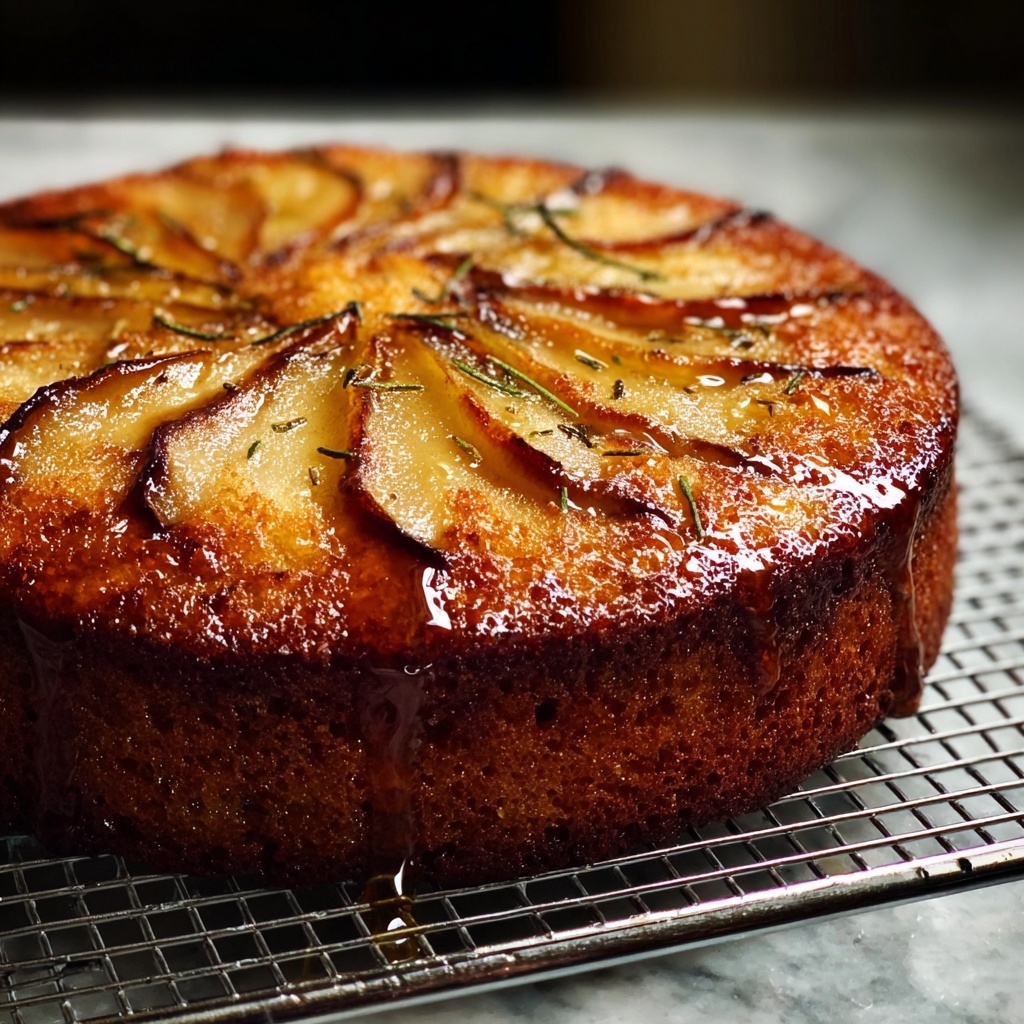
Enhance the presentation and taste by garnishing with a few fresh sage leaves or a light dusting of cinnamon. A small spoonful of whipped cream or a dollop of vanilla yogurt provides a creamy contrast to the dense, rustic cake texture.
Side Dishes
This Roasted Apple Sage Cake Recipe pairs wonderfully with a hot cup of chai tea or freshly brewed coffee. For a more indulgent experience, serve alongside vanilla ice cream or a smooth caramel sauce that echoes the roasted apple sweetness.
Creative Ways to Present
Try serving individual slices with a scattering of toasted nuts or a drizzle of honey on the plate. You can also transform leftovers into decadent trifle layers by adding cubed cake pieces combined with whipped cream and warmed apple compote.
Make Ahead and Storage
Storing Leftovers
Keep any leftover Roasted Apple Sage Cake Recipe covered tightly in an airtight container at room temperature for up to 2 days, or refrigerate for up to 5 days. The flavors actually deepen over time, making it a delightful snack even the next day.
Freezing
If you want to enjoy this cake later, slice it and wrap each piece individually in plastic wrap, then place in a freezer-safe bag. Freeze for up to 3 months. When ready to eat, thaw overnight in the fridge for a soft texture and fresh taste.
Reheating
Warm slices gently in the microwave for 15-20 seconds or in a low oven (300°F/150°C) for 10 minutes. This helps revive the cake’s moistness and brings back the comforting aroma of roasted apples and sage.
FAQs
Can I use dried sage instead of fresh in the Roasted Apple Sage Cake Recipe?
Fresh sage is best for this cake because it provides a vibrant, fresh flavor, but if necessary, dried sage can be used at half the quantity. Just keep in mind that dried herbs are more concentrated and won’t provide the same bright aroma as fresh.
What type of apples work best for roasting in this recipe?
Firm apples like Granny Smith, Honeycrisp, or Braeburn hold their shape well and roast beautifully, offering a nice balance of tartness and sweetness perfect for the cake.
Is it possible to make this cake gluten-free?
Yes! Substitute the all-purpose flour with a gluten-free flour blend that’s designed for baking. Be sure the baking powder you use is gluten-free as well to keep the cake tender and delicious.
Can I prepare the roasted apples ahead of time?
Absolutely. Roast the apples up to a day in advance and keep them covered in the refrigerator. This can make your baking process quicker and still lets the roasted flavor shine through perfectly.
How do I store the sage glaze if I make extra?
Store any leftover glaze in an airtight container in the refrigerator for up to 3 days. Stir well before using, as it may thicken or separate slightly while chilled.
Final Thoughts
There is something truly special about this Roasted Apple Sage Cake Recipe that makes it a cherished addition to any baking repertoire. The way the sweet roasted apples mingle with fragrant sage, all wrapped up in a tender, spiced cake, is simply unforgettable. I can’t wait for you to try it and enjoy this cozy, flavorful treat as much as I do.
Print
Roasted Apple Sage Cake Recipe
- Prep Time: 15 minutes
- Cook Time: 40 minutes
- Total Time: 55 minutes
- Yield: 8 servings
- Category: Dessert
- Method: Baking
- Cuisine: American
Description
This Roasted Apple Sage Cake is a delightful autumn-inspired dessert that combines the sweetness of roasted apples with the earthy aroma of fresh sage. The cake is moist, tender, and perfectly spiced with cinnamon, making it ideal for cozy gatherings or a special treat. A sage-infused glaze adds an extra layer of flavor and a beautiful finishing touch.
Ingredients
Cake
- 2 cups (240 grams) all-purpose flour
- 1 cup (200 grams) granulated sugar
- 2 teaspoons baking powder
- 1/2 teaspoon salt
- 1 teaspoon ground cinnamon
- 1/2 cup (113 grams) unsalted butter, softened
- 2 large eggs
- 1/4 cup fresh sage, finely chopped
- 2 cups roasted apples, diced (about 2 medium apples)
Roasted Apples
- 2 medium apples, cored and diced
Sage Glaze
- 1 cup (120 grams) powdered sugar
- 2 tablespoons milk
- 1 tablespoon fresh sage, finely chopped
Instructions
- Roast Apples: Preheat your oven to 400°F (200°C). Core and dice the apples into small pieces. Spread them evenly on a baking sheet and roast in the oven for about 20 minutes until the apples are tender and slightly caramelized. Remove and allow to cool.
- Prepare Dry Ingredients: Lower the oven temperature to 350°F (175°C). In a large mixing bowl, whisk together the all-purpose flour, granulated sugar, baking powder, salt, and ground cinnamon to evenly distribute the dry ingredients.
- Cream Butter and Eggs: In a separate bowl, cream the softened unsalted butter until smooth and fluffy. Add the eggs one at a time, beating well after each addition. Stir in 1/4 cup of finely chopped fresh sage to incorporate the herbal flavor.
- Combine Wet and Dry: Gradually add the dry ingredients to the creamed butter and eggs mixture, mixing gently until just combined to avoid overmixing. Then, carefully fold in the roasted apple chunks to maintain their texture throughout the batter.
- Bake the Cake: Pour the batter into a greased or lined cake pan. Bake in the preheated oven at 350°F (175°C) for 30-35 minutes. Check for doneness by inserting a toothpick into the center; it should come out clean or with a few moist crumbs.
- Cool and Glaze: Let the cake cool in the pan for about 10 minutes before transferring it to a wire rack to cool completely. To prepare the glaze, mix powdered sugar, milk, and 1 tablespoon of finely chopped fresh sage until smooth. Drizzle the sage-infused glaze over the cooled cake before serving to add sweetness and a hint of herbaceous complexity.
Notes
- Roasting the apples caramelizes their natural sugars and enhances flavor.
- Be careful not to overmix the batter to keep the cake tender.
- Fresh sage works best for both the batter and glaze, but dried sage can be substituted in smaller quantities if needed.
- The glaze adds moisture and a lovely herbal sweetness, but can be omitted if preferred.
- Use a toothpick test to ensure the cake is fully baked.